Understanding Urban Change, Shaping Urban Change
The process of urbanisation in the early 21st century is enormously dynamic: Urban spaces emerge, grow and change, their transformation takes many forms and is increasingly discontinuous and disparate. A better understanding of these processes is a central concern for the spatial urban researchers at the ILS. We investigate the various dimensions of urban change at different levels of scale and in international comparison. In active dialogue with practitioners, policy-makers and societal stakeholders, we gain important insights from this for the sustainable transformation and design of urban spaces.
We have these main research interests.
The process of urbanisation in the early 21st century is enormously dynamic: Urban spaces emerge, grow and change, their transformation takes many forms and is increasingly discontinuous and disparate. A better understanding of these processes is a central concern for the spatial urban researchers at the ILS. We investigate the various dimensions of urban change at different levels of scale and in international comparison. In active dialogue with practitioners, policy-makers and societal stakeholders, we gain important insights from this for the sustainable transformation and design of urban spaces.
We have three main research interests.
News
Online-Befragung zu Agri-Photovoltaik
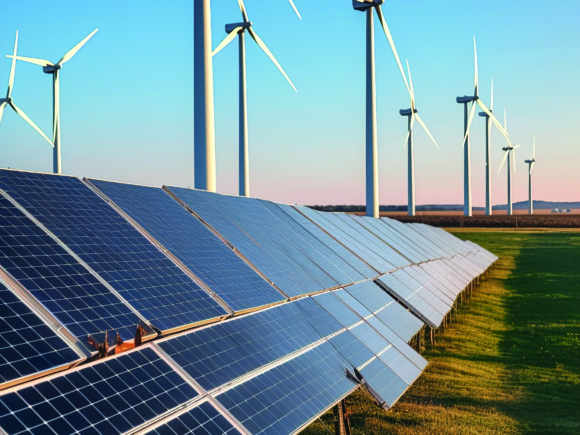
Agri-Photovoltaik (Agri-PV) gilt als vielversprechender Ansatz, um landwirtschaftliche Nutzung und erneuerbare Energieerzeugung auf derselben Fläche zu verbinden. Mit der zunehmenden Verbreitung von Agri-PV wachsen jedoch auch die Anforderungen an Planung, Genehmigung und Umsetzung. Gleichzeitig fehlen bislang belastbare Erkenntnisse darüber, wie unterschiedliche Akteursgruppen die Chancen, Herausforderungen und Rahmenbedingungen von Agri-PV bewerten. Der ARL-Arbeitskreis „Photovoltaik“ möchte diese Perspektiven zusammenführen und führt deshalb eine bundesweite Online-Befragung durch. Ziel der Befragung ist es, Chancen und Herausforderungen von Agri-PV-Systemen aus Sicht relevanter Akteursgruppen zu identifizieren und daraus wissenschaftlich fundierte Erkenntnisse sowie Empfehlungen für Planung und Praxis abzuleiten. Die Teilnahme ist bis zum 30. September 2026 möglich. Zur Umfrage
Vernetzung auf dem Agrarforschungstag Bonn
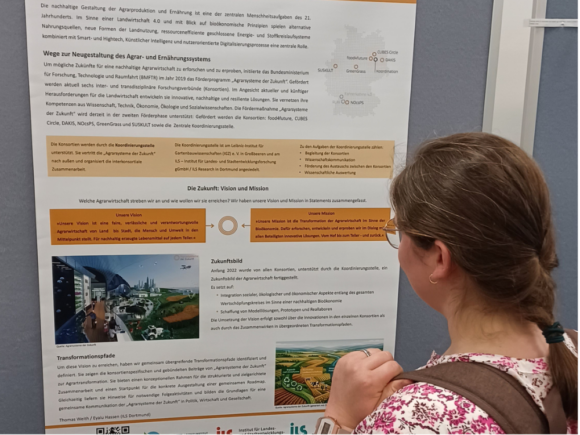
Mit einem Poster zu den eigenen Aktivitäten in der Förderlinie „Agrarsysteme der Zukunft“ des Bundesministeriums für Forschung, Technologie und Raumfahrt war das ILS am 4. September beim Agrarforschungstag an der Universität Bonn vertreten. Die am ILS mit angesiedelte Zentrale Koordinierungsstelle konnte dabei eigene Ergebnisse sowie die der derzeit sechs geförderten Konsortien vorstellen. In einem Posterpitch vermittelte ILS-Wissenschaftler Prof. Dr. Thomas Weith zentrale Inhalte an interessierte Teilnehmer*innen. Mehr…
Tomasz Zaborowski zu Gast im ILS
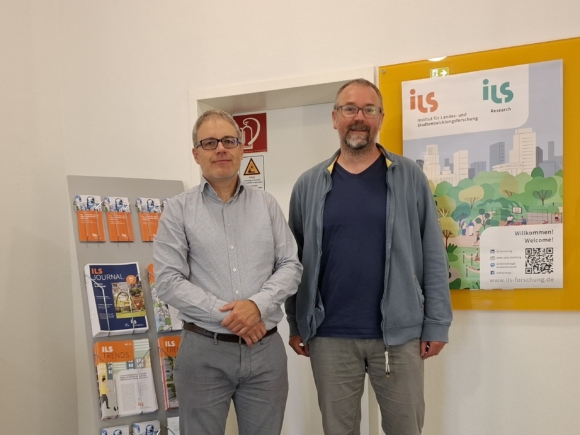
Assistant Professor (PhD) Tomasz Zaborowski ist für einen einwöchigen Forschungsaufenthalt zu Gast in der Forschungsgruppe Sozialraum Stadt. Professor Zaborowski lehrt an der Universität Warschau (Faculty of Geography and Regional Studies) und forscht international vergleichend zu Instrumenten der Bodenpolitik. Während seines Forschungsaufenthalts am ILS untersucht er die Rolle des Städtebaurechts im Rahmen der Dortmunder Stadtplanung. Der Besuch ist Teil einer größeren Studie, in der er die Anwendung städtebaurechtlicher Instrumente in Warschau und Dortmund miteinander vergleicht.

ILS-Gleichstellungsplan wurde aktualisiert
Die Gleichstellung aller Geschlechter begegnet uns täglich im Alltag. Bereits seit einigen Jahren sind Themen wie „Gleiche Bezahlung für gleiche Arbeit“ oder die geschlechtergerechte Sprache breit in allen Medien vertreten und werden diskutiert. Das ILS ist sich seiner Verantwortung bewusst und hat bereits 2022 den ersten Gleichstellungplan veröffentlicht, als Leitfaden und Arbeitshilfe zur Förderung und Verwirklichung der Gleichstellung aller Geschlechter im Institut. Der vorliegende Plan wurde von einer Arbeitsgruppe überarbeitet und aktuellen Anforderungen angepasst. Mehr…
JRF-Sommertour im ILS
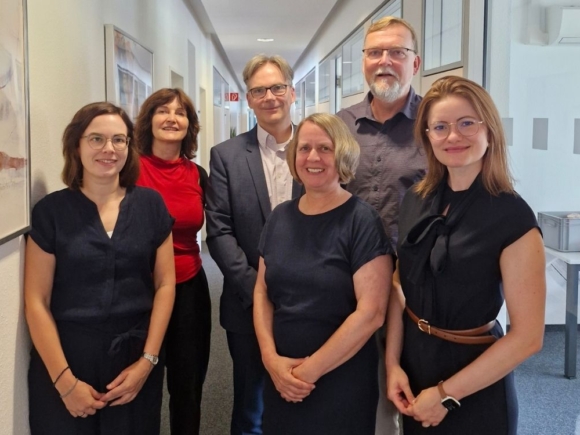
Ein fester Termin im Kalender: Der Vorstand der Johannes-Rau-Forschungsgemeinschaft hat uns auch in diesem Jahr auf seiner Sommertour besucht. Im Gespräch mit Ramona Fels und Prof. Dr. Dieter Bathen haben wir uns über die Zusammenarbeit, aktuelle Themen am Forschungsstandort NRW und unsere anstehende Evaluierung im Herbst dieses Jahres ausgetauscht. Das ILS ist Gründungsmitglied der Johannes-Rau-Forschungsgemeinschaft. Mehr zur JRF
Publications

Company bikes in Germany – Are they associated with the frequency of bicycle commuting and everyday cycling?
Janina Welsch and Frederic Rudolph from the T3 Transportation Think Tank, have jointly published an article in the journal “Active Travel Studies: An Interdisciplinary Journal.” The study examines company bikes, which can form part of employers’ mobility management and cycling promotion schemes. However, it has been unclear, whether and to what extent they influence actual bicycle usage. The results show, that company bikes are a significant positive factor for commuting by bicycle. However, compared to the lowest usage frequence, this applies only to the middle category and not to the highest. A “company bicycle effect” is also not directly detectable in everyday cycling. However, indirect effects can be assumed. The majority of company bikies are e-bikes, and these show a significant positive association with both cycling to work and in everyday cycling. Particularly in view of the current rise in petrol and diesel prices, the bicycle could become an increasingly attractive alternative for many employees for short and medium distances. Here, the company bike provides employers with an effective tool to promote more sustainable commuting. https://doi.org/10.16997/ats.1774. Further current publications can be found here. here.
Industrial Land Conversion in German Regions: Extent, Spatial Patterns and the Role of Urban Policy
ILS researcher Dr. Bastian Heider, together with colleagues from TU Dortmund University and the IÖR, has published an article in the journal European Planning Studies. This article analyses long-term trends and spatial patterns in the conversion of commercial and industrial land in German city regions. Contrary to many other international studies, the results show no significant loss of industrial and commercial land in most core urban areas. This highlights the influence of national and local planning institutions in the context of global urban development phenomena such as reurbanisation and the displacement of industry from central urban areas. https://doi.org/10.1080/09654313.2026.2644411. Further current selected papers can be found here.

Anpassung von Kommunen an Hochwassergefahren
ILS researchers Prof. Dr. Thomas Weith and Lennart Bosse have published an article in the journal „RaumPlanung“. The article analyses and evaluates the criteria underpinning local authorities’ adaptation measures following the 2021 floods, drawing on empirical evidence. The findings reveal a high number and wide variety of concrete protection and prevention measures that have been implemented, as well as ongoing challenges, and offer guidance for relevant stakeholders in flood management. https://ifr-ev.de/raumplanung/wassersensible-stadt/. Further current selected papers can be found here.

Step by step: Exploring accessibility perceptions of older adults and young families outside urban cores through walk-along interviews
ILS researchers Janina Welsch and Anna-Lena van der Vlugt, together with colleagues from the University of Groningen, have published an article in the Journal of Urban Mobility. The article publishes the initial results of the walk-along interviews from the AccessCity4All project. Based on interviews about perceived accessibility in the province of Groningen, one of the project’s case study areas, it presents new insights into the perceptions of two vulnerable groups regarding their experiences of walking and the accessibility of important facilities in rural and suburban settlements. https://doi.org/10.1016/j.urbmob.2026.100199. Further current selected papers can be found here.

Regelungen zum Flächenüberhang in der Windenergieplanung – Ein neues Flexibilisierungsinstrument hoheitlicher Planung mit Unsicherheiten
ILS researcher Jonas Marschall has published an article in the journal Die Öffentliche Verwaltung DÖV. In order to give planning regions more flexibility in meeting their regional sub-area targets for wind energy through interregional cooperation, several federal states have therefore adopted regulations based on the model of the Wind Energy Area Requirements Act, which are intended to empower planning regions to agree on a so-called ‘area surplus’ or ‘area compensation’. This approach is also innovative and interesting with regard to other areas of spatial planning. Particularly when it comes to limiting land use through state and regional planning, the tension between binding and flexible quantity-based control approaches poses a challenge. However, the specific regulations on land surplus raise questions. A closer look at the examples reveals differences and problems with the regulatory approaches. Further current selected papers can be found here.
Events
Forum Stadtbaukultur: IGA 2027 – Blümchenschau oder Stadtentwicklung?
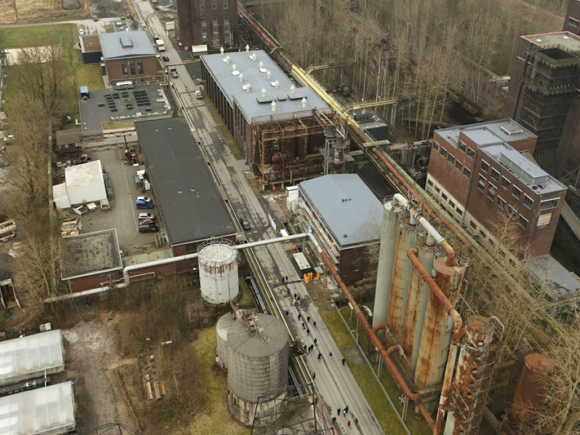
In fast genau einem Jahr, am 23. April 2027, wird die Internationale Gartenausstellung Ruhrgebiet (IGA) eröffnet. In dem knapp 180tägigen Ausstellungszeitraum bis Mitte Oktober 2027 werden dazu mehr als 3 Millionen Besuchende erwartet. In Dortmund-Huckarde entsteht derzeit aus diesem Anlass eine neue öffentliche Grünfläche: der „Kokereipark“. Gemeinsam mit den angrenzenden Arealen der Kokerei Hansa, dem Nahverkehrsmuseum Mooskamp und dem Deusenberg bildet er das Dortmunder Ausstellungsgelände der IGA 2027 – den „Zukunftsgarten“. Welche Zielsetzungen werden im Ruhrgebiet mit der IGA 2027 verfolgt? Was dürfen die Besuchenden in Dortmund erwarten? Und lohnt der Aufwand auch langfristig? Die Diskussion und Beantwortung dieser und ähnlicher Fragen stehen im Mittelpunkt dieses Forum Stadtbaukultur, am 27. April 2026. Mehr…
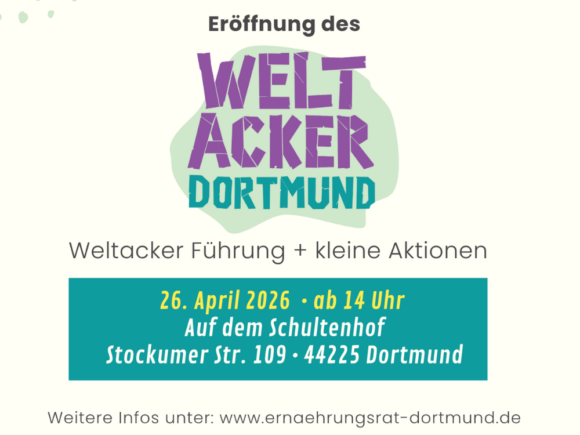
Projekt REDESIGN: Eröffnung des Weltackers in Dortmund
Teilt man die rund 1,6 Milliarden Hektar Ackerfläche weltweit durch die Zahl der Menschen, bleiben rechnerisch etwa 2000 m² pro Person. Auf dieser Fläche muss alles wachsen, was uns ernährt und versorgt. Diese 2000 m² werden nun in Dortmund als Weltacker sichtbar und erlebbar. Der Aufbau des Weltackers wird gefördert durch HORIZON Europe innerhalb des Projekts REDESIGN. Der Ernährungsrat Dortmund ist aktiver Teil des REDESIGN-Projekts und realisiert den Weltacker als Reallabor als einen Lern- und Dialogort auf dem Schultenhof Dortmund. Der Weltacker wird am Sonntag, 26. April, ab 14 Uhr eröffnet. Weitere Infos und Programm

Begegnung (un)erwünscht? – Öffentliche Räume im Spannungsfeld von Begegnung, Akzeptanz und Rücksichtnahme
Öffentliche Räume sind zentrale Orte spontaner Begegnung und des städtischen Zusammenlebens, an denen Menschen aus unterschiedlichen sozialen Gruppen aufeinandertreffen. Gleichzeitig werden hier auch Spannungen sichtbar, wenn verschiedene Nutzungsansprüche, Erwartungen und Lebensrealitäten aufeinanderprallen. Die Diskussionsveranstaltung der Stadt Oberhausen am 7. Mai ab 15:45 Uhr geht der Frage nach, wie öffentliche Räume als „Dritte Orte“ gestaltet werden können. ILS-Wissenschaftler Ralf Zimmer-Hegmann wird in seinem Beitrag die Bedeutung und die Herausforderungen öffentlicher Begegnungsorte für das gesellschaftliche Miteinander beleuchten. Die Veranstaltung findet auf dem Wissenschaftscampus NRW (WICA) statt. Weitere Informationen und Anmeldung
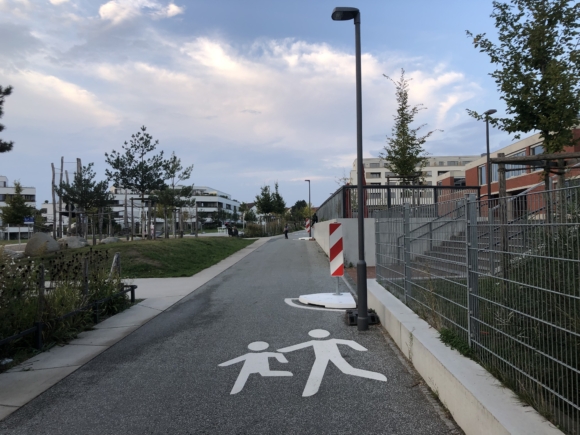
Handlungsempfehlungen zur Konzeption von integrierten Mobilitätskonzepten für Neubauquartiere
Das ILS lädt gemeinsam mit dem Zukunftsnetz Mobilität NRW am 5. Mai zur der zweiten von insgesamt drei Transferveranstaltungen aus dem Projekt NaMoLI III ein. Dabei werden in Münster unter der Überschrift „Handlungsempfehlungen zur Konzeption von Mobilitätskonzepten für Neubauquartiere“ vor allem der Entwicklungsprozess und die Instrumente der autoreduzierten Quartiersentwicklung betrachtet. Der Fokus liegt auf der Vorstellung eines Handlungsleitfadens, der innerhalb des NaMoLI III-Projekts am Beispiel der Lincoln-Siedlung in Darmstadt erarbeitet worden ist. Als Praxisbeispiel wird außerdem ein Wohnprojekt aus Arnsberg vorgestellt. Weitere Informationen und Anmeldung
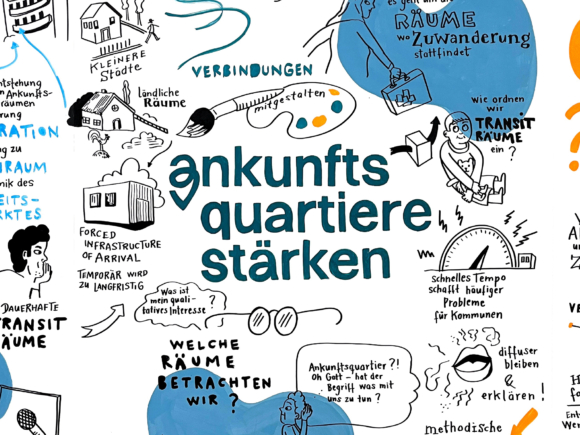
Von der Ankunft zur Teilhabe. Abschlusstagung des Forschungs-Praxis-Projekts „Teilhabe in neuen Ankunftsquartieren stärken“
Migration prägt den kommunalen Alltag. Auch Regionen, die bislang wenig Erfahrung mit internationaler Migration hatten, werden zunehmend zu Ankunftsorten. Wie können Teilhabe und Zusammenhalt gelingen? Diese Frage steht im Zentrum der Abschlussveranstaltung des Projekts „Teilhabe in ‚neuen‘ Ankunftsquartieren stärken“ – eine Kooperation von ILS Research, Technische Universität Berlin (TU Berlin), Deutsches Institut für Urbanistik (Difu) und STADTRAUMKONZEPT, gefördert durch die Stiftung Mercator. Dabei richten wir den Blick auf praxisnahe Erkenntnisse, erprobte Ansätze und strukturelle Perspektiven zur nachhaltigen Stärkung von Teilhabe und gesellschaftlichem Zusammenhalt in Ankunftsquartieren. Eingeladen sind Akteur*innen aus Stadtverwaltung, Zivilgesellschaft, (Kommunal-)Politik und Wissenschaft. Zur Anmeldung