Published on: 10. July 2026
World Planning Schools Congress: Peripheral Visions – Rethinking Planning
As cities navigate economic growth, the climate crisis, political extremism, and geopolitical tensions, is spatial planning losing ground to other local and national policy priorities? This was the central question discussed at the World Planning Schools Congress, held in Helsinki, Espoo and Tampere (Finland) from June 29 to July 3, 2026.
Seven researchers from ILS were part of the program. Dr. Stefano Cozzolino, Lizzy Moonga, Dr. Cornelia Tippel, Prof. Dr. Noriko Otsuka, Suyash Shérékar, Dr. Sabine Weck and Prof. Dr. Thomas Weith presented their research. Their presentations focused for instance on the importance of neighborhoods, neighbourhood regeneration and owners’ perspective, the role of blue-green infrastructure in mental health, and governance issues related to spatial justice.
Dr Stefano Cozzolino was also directly involved in the preparation of the congress. In his role as coordinator of the AESOP thematic group “Ethics, Values and Planning”, he organised and chaired the “Ethics and Values” track, which included eight sessions, as well as the special session “Open City”, which included three sessions.
Overview of the ILS presentations:
- Stefano Cozzolino: Energy Renovation and Unprepared Neighborhoods: When Policy Ambitions Clash with Owners’ Intentions
- Stefano Cozzolino: The Open City: Bridging Institutional Conditions and Socio-spatial Outcomes
- Cornelia Tippel, Stefano Cozzolino, Kerstin Conrad, Sabine Weck: Between centralised control and spontaneous social life: Regenerating Large Housing Estate Neighbourhoods
- Chiara-Charlotte Iodice-Kraft, Lizzy Moonga, Kathrin Specht, Noriko Otsuka: Co-Creating Healthier Territorial Futures: Upscaling Green & Blue Infrastructure-Based Green Care for Mental Wellbeing in Europe
- Noriko Otsuka, Janina Welsch: Neighbourhood Mobility Hubs for encouraging the use of shared mobility services and regenerating urban public spaces: the case of Düsseldorf, Germany
- Tomoko Miyagawa, Noriko Otsuka, Hirokazu Abe: Research on policy integration in Urban Planning Master Plans for promoting health in urban environments: in the case of Japan’s SDGs Future Cities in the Kansai Metropolitan Region
- Sabine Weck: From Pilot Projects to Standard Practice? Exploring Collaborative Housing as Catalyst for Change and its Institutional Framework in a German Setting
- Melissa Leimkühler, Thomas Weith: Spatial Justice in Urban–Rural Relationships: An Empirical Pilot Study
- Sarah Friese, Thomas Weith, Martin Faulstich: Rethinking Planning in Times of Transition: Lessons from Regional Energy Governance in Germany
- Suyash Shérékar, Vedant Vyas: Three Classes, One Neighbourhood: Imagining Just futures under conflicting co-existence in Nagpur, India
The conference has shown that ILS research is not only very well integrated into international academic debates, but also provides a wide range of innovative impulses for academic discourse and practical applications.
The World Planning Schools Congress (WPSC) is an international event organized by the Global Planning Education Associations Network (GPEAN) for the world planning schools associations meeting and discussing various progress and developments of planning education and practice.
WPSC also brings together scholars and professionals from all continents, provides opportunities for international academic and scientific exchange, and encourages debates on current planning challenges, experiences, and solutions in different parts of the world.
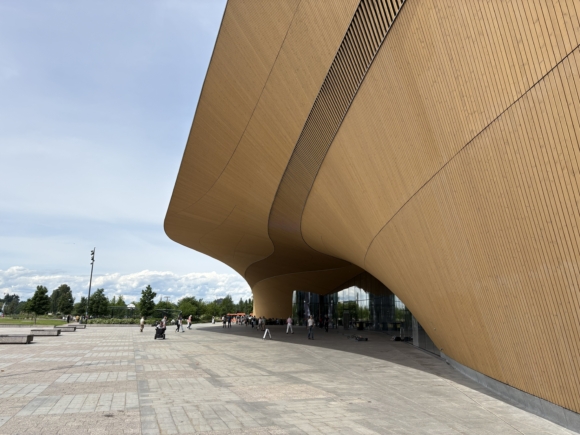
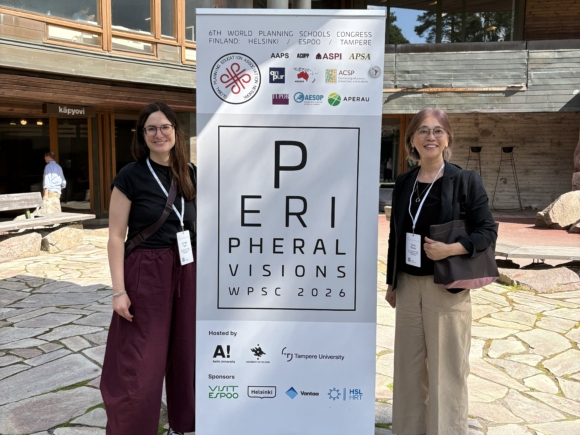
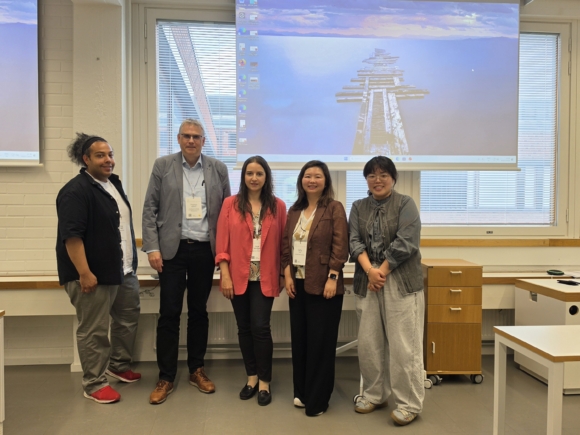
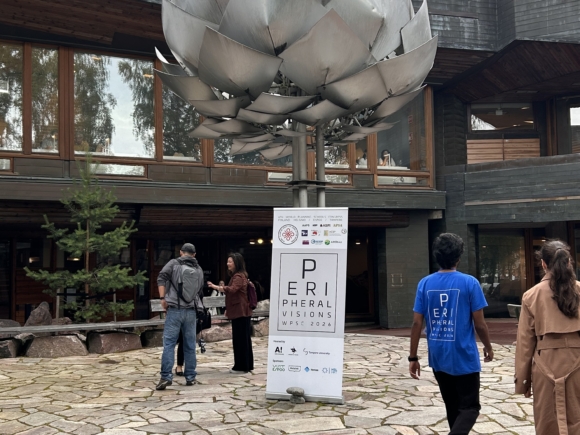
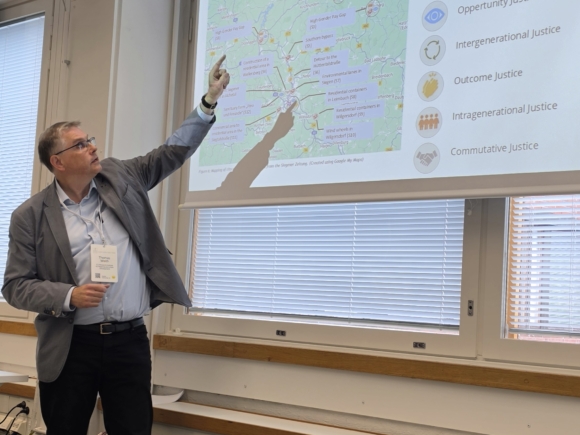
Impressions from the Conference © ILS
Modified on: 10. July 2026